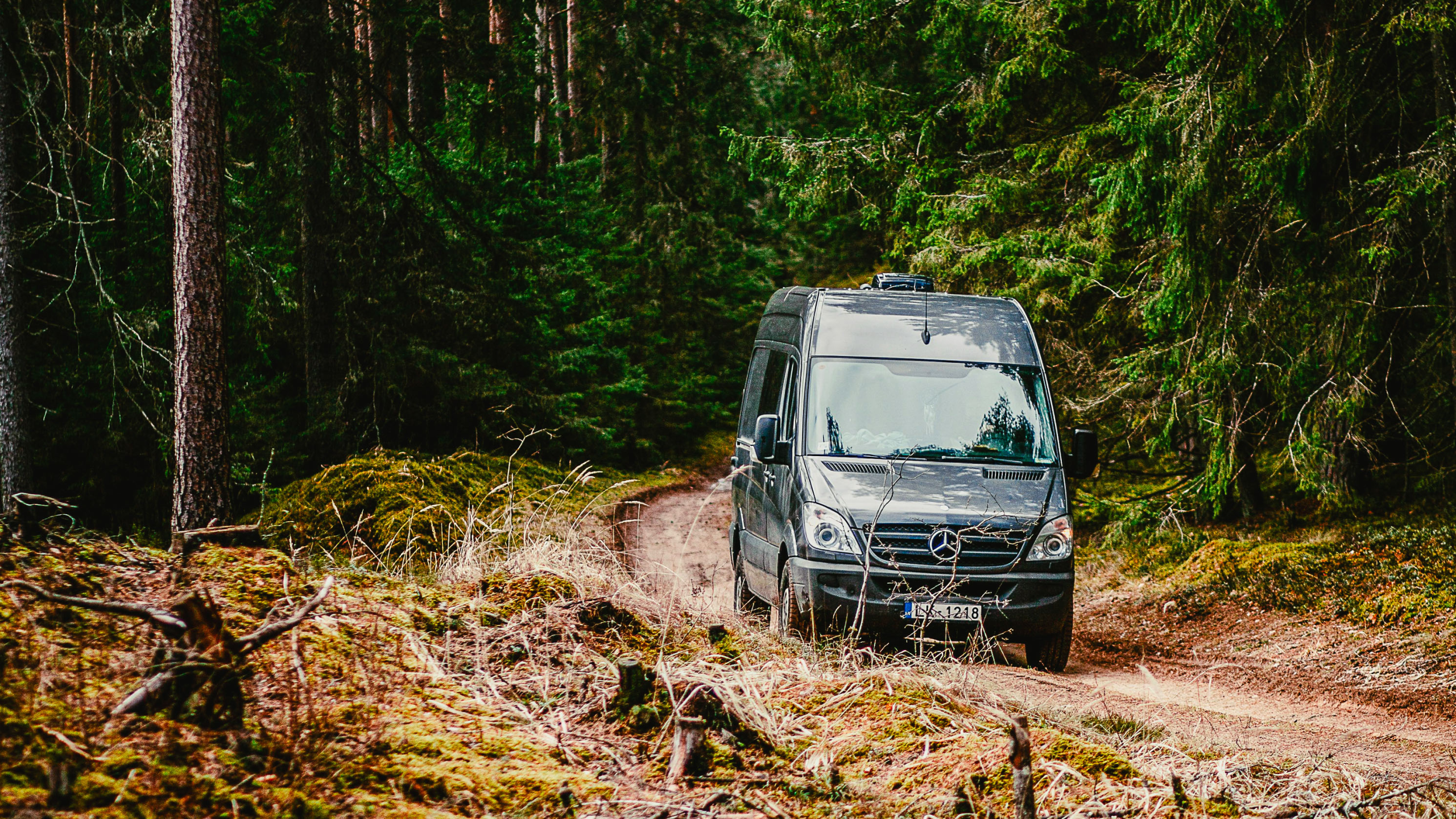
Imagine waking up to the symphony of birdsong in the shadow of Table Mountain, brewing coffee as the sun rises over the savanna, or chasing sunsets along the rugged Wild Coast—all from the comfort of your own mobile home. For adventure seekers, outdoor enthusiasts, and those yearning to break free from the 9-to-5 grind, the campervan lifestyle isn’t just a trend; it’s a gateway to unbound freedom. As a Southern African wanderer myself, I’ve seen how converting a reliable Mercedes Benz Sprinter into a custom campervan transforms ordinary trips into epic odysseys. But where did this nomadic spirit originate, and why is it poised for explosive growth right here in our backyard over the next five years?
In this post, we’ll journey through the international history of campervan living, from its humble beginnings to its modern renaissance. Then, we’ll zoom in on Southern Africa, exploring the untapped potential for this lifestyle to flourish amid our breath taking landscapes and evolving travel scene. Whether you’re a seasoned explorer or dreaming of your first van conversion, let’s dive in and discover why the road ahead is more exciting than ever.
The Roots of Van Life: A Global Odyssey Through Time
The campervan lifestyle didn’t start with Instagram influencers posing in retro VW buses—it has deep, adventurous roots stretching back over a century. Picture this: in the early 1900s, luminaries like Theodore Roosevelt and Thomas Edison pioneered “auto-camping,” loading up early automobiles with tents and gear for wilderness escapes. (projects.sfchronicle.com). This wasn’t just leisure; it was a rebellion against urban confines, a way to reconnect with nature in an industrializing world. Edison’s “Vagabonds” trips with Henry Ford symbolized innovation meeting exploration, laying the groundwork for what we’d later call van life.
Fast-forward to the 1930s, when travel enthusiasts began tinkering with vehicles for more permanent living setups. Extendable roofs, mounted tents, and basic interiors turned cars into rolling homes, especially during the Great Depression when mobility meant survival.
But it was post-World War II that campervans truly hit the road. In Europe, the iconic Volkswagen Type 2—affectionately known as the “VW Bus”—debuted in 1950, becoming a symbol of affordable adventure. Across the Atlantic, American manufacturers like GMC introduced motorhomes, blending truck chassis with home-like amenities for families seeking the open highway.
The real cultural explosion came in the 1960s and 1970s, fuelled by the counterculture movement. Hippies, surfers, and free spirits adopted vans as emblems of rebellion against societal norms. (boho.life). Think Woodstock vibes: customised vans with psychedelic paint jobs, carrying dreamers from California beaches to European festivals. In the UK and Australia, “gypsy wagons” evolved into modern caravans, drawing from Romany traditions of nomadic living. By the 1970s, baby boomers embraced full-time RVing, turning it into a mainstream retirement dream. Vans became communal escapes, fostering bonds beyond the “broken conventions” of society.
The 1980s and 1990s saw technological leaps. Mercedes Benz entered the fray with the Sprinter van in 1995, revolutionizing conversions with its durable frame, spacious interior, and off-road capabilities. This era also marked the rise of luxury motorhomes, but the core appeal remained: freedom from mortgages, routines, and boundaries. As one historian notes, van life shifted from “exclusive to nomads and hippies” to appealing to a broader audience seeking simplicity.
Enter the 21st century, where social media supercharged the movement. Hashtags like #VanLife exploded on platforms like Instagram, showcasing polished conversions and off-grid adventures. The 2010s brought economic factors too—the 2008 financial crisis pushed many toward affordable, mobile living. Today, with remote work booming post-COVID, van life is a $62.5 billion global industry, projected to grow at 7.72% CAGR through 2033.
From solar-powered rigs in Australia to electric conversions in Europe, it’s evolved into a sustainable, tech-savvy lifestyle. Students in the Netherlands even built a solar campervan traveling 740km a day, powering appliances off-grid. , it’s no longer fringe; it’s a $104 billion market by 2032 for caravans and motorhomes alone.
From Global Phenomenon to Southern African Awakening
While van life has long thrived in the West, Southern Africa is catching up fast, blending international influences with our unique spirit of exploration. Our region’s history echoes global roots but with a local twist. Early 20th-century overland expeditions, like those crossing the Kalahari in modified trucks, laid the foundation for what we’d call “overlanding” today. Post-apartheid, tourism surged, introducing campervans to safari-goers craving immersive experiences beyond luxury lodges.
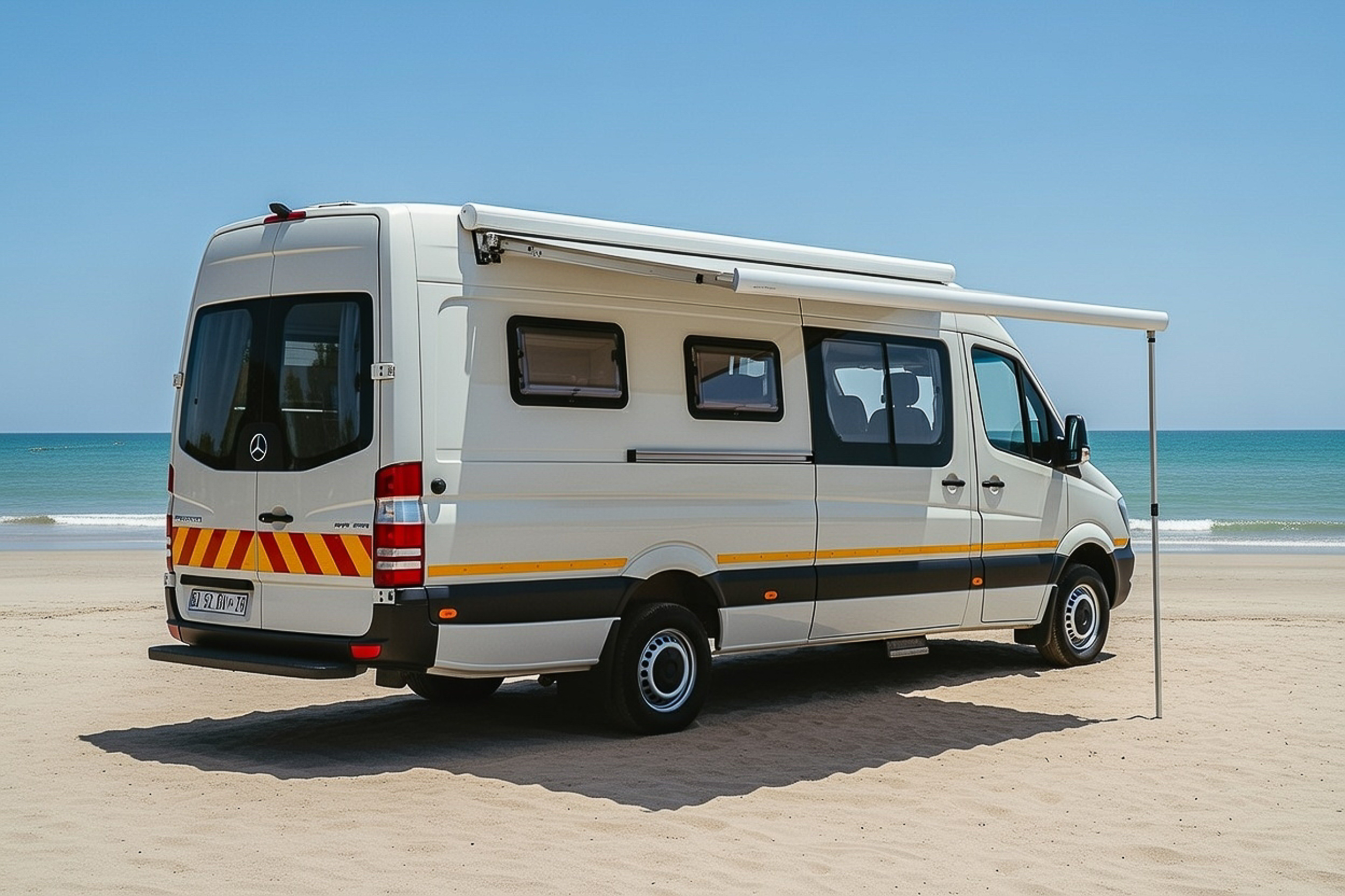
Today, the campervan scene in Southern Africa is niche but vibrant. In South Africa, Namibia, and Botswana, enthusiasts convert vehicles for epic routes like the Garden Route or Namib Desert traverses. Mercedes Sprinter conversions are particularly popular here—their robust diesel engines handle our dirt roads and wildlife encounters better than flimsier vans. Think custom builds with pop top roof tents, solar panels, and 4×4 upgrades for tackling the Drakensberg or Okavango Delta. Glamping has emerged as a bridge, offering “remote enough” adventures with comfort, attracting a wider crowd.
Yet, challenges persist. Infrastructure decay, from potholed roads to unreliable power, mirrors broader issues. Urbanization and squatter camps highlight inequalities, but they also underscore the appeal of escaping to the wild.
Despite this, the market is ripening: South Africa’s RV rental sector is expected to hit $27.7 million by 2030, growing at 7.7% CAGR. (grandviewresearch.com). Adventure tourism across Africa is projected to reach $53.9 billion by 2035, with an 11.2% CAGR.
The Next Five Years: A Boom on the Horizon for Southern African Campervans
Looking ahead to 2030, the campervan lifestyle in Southern Africa isn’t just growing—it’s set to explode. Why? Our region is perfectly positioned at the intersection of global trends and local opportunities. South African Tourism aims for 15 million visitors by 2030, up from current figures, fuelled by a 26.9% year-on-year arrival increase. (atta.travel). This influx will demand flexible, experiential travel, where campervans shine.
Market forecasts back this up. The recreational vehicle sector in South Africa shows mixed but positive growth, starting at 0.10% in 2025 and building momentum. (6wresearch.com). Globally, campervan conversions are expected to grow at 7-8% CAGR, driven by personalized adventures. (marketreportanalytics.com). In our context, this translates to a surge in overland travel, with trends like wellness safaris, cultural immersion, and eco-tourism leading the charge. (voyage2africa.com). Imagine van-lifers combining game drives with stargazing or bush walks, extending stays in shoulder seasons for “slow season” revenue.
Why the Growth? Unpacking the Drivers
Several factors will propel this expansion. First, post-pandemic shifts: Over 60% of South Africans plan more holidays in 2025, prioritizing flexible, mobile-first travel. (marriott.pressarea.com). Remote work enables “digital nomadism,” letting freedom-loving souls explore without ties.
Second, sustainability: Eco-everything is in—solar vans reduce footprints, aligning with trends like citizen science trips.
Third, economic appeal: Amid stifling home costs and urbanization woes, vans offer affordable escapes from conventional life. People, especially Gen – Z have tired of traditional home expenses such as hefty home mortgages, excessive state utility charges for electricity and water, high municipal rates and taxes and body corporate levies; instead choosing the low cost home option, coupled with freedom, that van life offers.
In a region where infrastructure challenges persist, self-sufficient Sprinter conversions provide resilience.
Fourth, tourism evolution: Travelers crave authentic stories—sleep cations in the Karoo, cultural dives in Soweto, or beach safaris. Namibia and Botswana could become “Africa’s Dubai” for expats and overlanders.
Finally, our landscapes are unmatched: From Victoria Falls to the Cape Winelands, Southern Africa offers diversity that rivals global hotspots. With targeted upgrades—like pet-friendly parks or glamping OTAs—revenue could skyrocket.
Your Ticket to Freedom: Why a Sprinter Conversion Fits Perfectly
For Southern African adventurers, a Mercedes Benz Sprinter conversion is the ultimate vehicle. Its versatility handles everything from Kruger safaris to Lesotho highlands, with space for beds, kitchens, and gear. Add solar setups for off-grid power, and you’re set for weeks of exploration. Our website specializes in these builds, tailoring them to your wanderlust—whether it’s a solo setup for stargazing or a family rig for coastal road trips.
Charting New Horizons: The Road Calls
The campervan lifestyle has come full circle—from Edison’s campsites to electric vans zipping through the veld. In Southern Africa, the next five years promise a renaissance, driven by tourism booms, sustainable innovations, and a collective craving for freedom. Don’t just dream about new horizons; convert your Sprinter and hit the road. Visit our site for conversion tips, inspiration, and let’s build your adventure machine. What’s your next destination? Share in the comments—let’s fuel the wanderlust together.